
Introduction
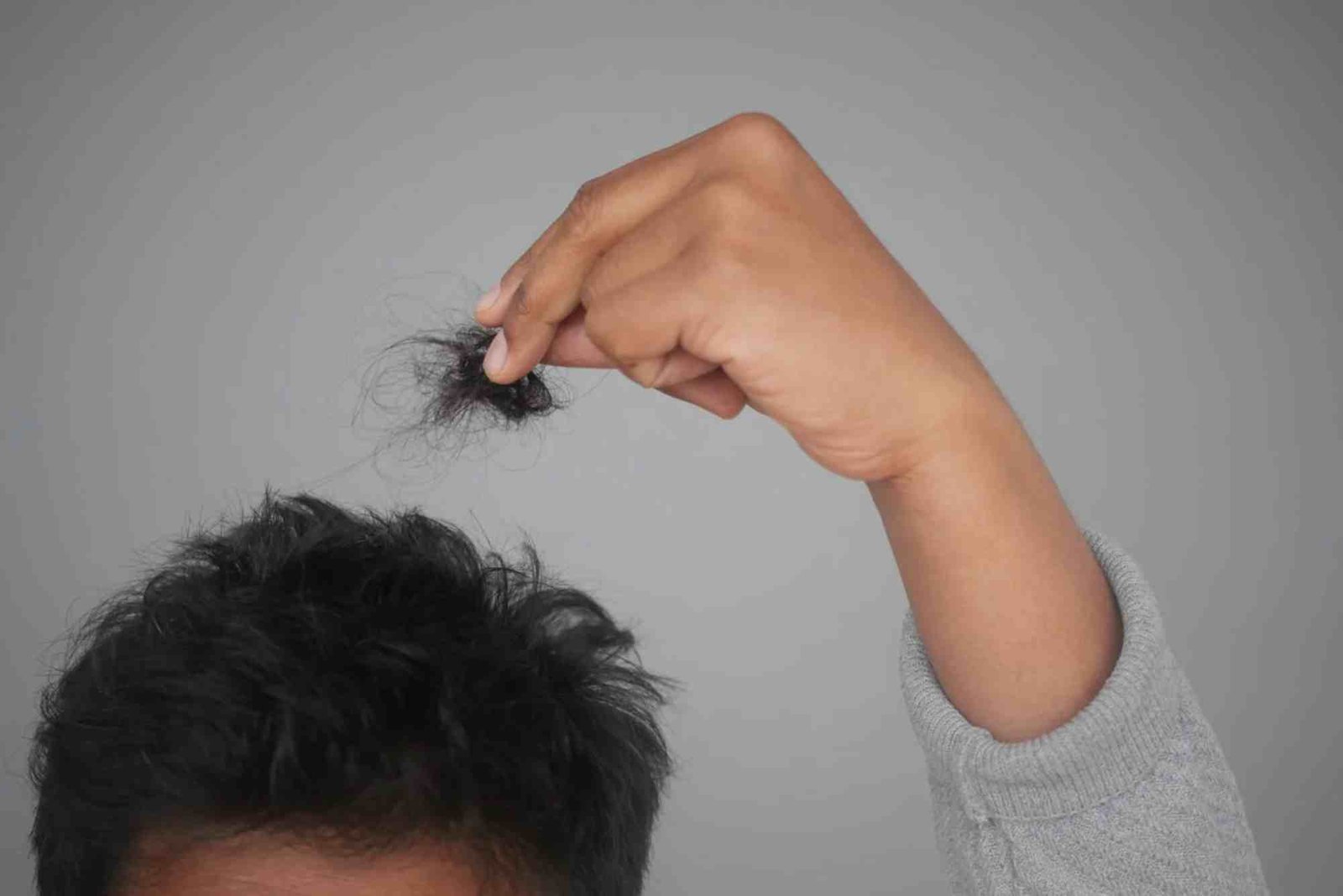
Healthy hair isn’t just about good looks — it reflects overall well‑being. In a world full of chemical treatments, heat styling, and pollution, understanding how to maintain hair health naturally is essential for lasting strength, shine, and volume. Whether you’re dealing with dryness, breakage, or hair fall, adopting natural habits nurtures your hair from root to tip without harsh additives.
In this detailed guide, you’ll learn expert‑backed ways to care for your hair naturally through nutrition, scalp care, lifestyle tweaks, and home remedies that truly work.
Why Hair Health Matters
Before diving into solutions, it’s important to understand why hair health is more than surface beauty.
- Hair mirrors health: Changes in texture, loss of shine, or increased shedding can signal nutritional gaps, stress, or underlying health issues.
- Prevention over repair: It’s easier to protect hair from damage than to reverse the effects of breakage or chemical harm.
- Confidence and self‑expression: Hair shapes how we feel in our own skin — giving it natural care boosts both appearance and confidence.
Hair Basics: Anatomy and Growth Cycle
Understanding hair structure helps clarify how to maintain hair health naturally.
The Hair Shaft and Follicle
Each strand consists of:
- Cuticle: Outer protective layer.
- Cortex: Contains strength and pigment.
- Medulla: Central core (not present in all hair types).
Healthy cuticles lay flat, reflecting light and giving hair shine. When they lift, hair becomes dull and prone to breakage.

Hair Growth Phases
Hair grows in three stages:
- Anagen (growth)
- Catagen (transition)
- Telogen (resting/shedding)
Most active hair is in the growth phase — but stress, poor nutrition, and damage can shorten it, causing thinning.
Core Principles of Natural Hair Health
To truly know how to maintain hair health naturally, adopt practices that nourish both inside and out.
Scalp Care: Foundation of Healthy Hair
Your scalp is the soil where hair roots grow. Ignoring it is one of the biggest mistakes in hair care.
Cleanse Gently Without Stripping Oils
Harsh shampoos can remove natural oils your hair needs.
- Choose sulfate‑free cleansers
- Wash every 2–3 days or as needed (not daily unless oily)
- Use lukewarm or cool water to prevent dryness
Stimulate With Scalp Massage
Massage increases blood flow, bringing oxygen and nutrients to follicles.
- Massage 3–5 minutes before shampooing
- Use fingertips in circular motions
- Try warm oil massage 1–2x a week
Balance With Natural Exfoliation
Dead skin, buildup, and sweat limit hair growth.
- Mix sugar or rice flour with gentle oil
- Exfoliate 1x a week
Natural Oils: Deep Nourishment
Using the right oils can dramatically improve shine, strength, and scalp health.
Coconut Oil: Penetrates Deeply
Coconut oil contains lauric acid, which reaches into the hair shaft.
Use as a pre‑wash mask
Apply 30 minutes before shampooing
Argan Oil: Rich in Antioxidants
Argan oil smooths frizz and adds softness.
Apply a few drops to damp hair
Ideal as a finishing oil
Castor Oil: Boosts Thickness
Castor oil increases circulation and may support growth.
Mix with lighter oils (like almond)
Use once a week for best results
Nutrition: Feed Hair From Within
What you eat plays one of the biggest roles in hair health. Good nutrition answers the question of how to maintain hair health naturally more than any single topical product.
Protein: Building Block of Hair
Hair is made mainly of keratin — a protein.
Eat:
- Eggs
- Lean meats
- Lentils
- Greek yogurt
Omega‑3 Fatty Acids: Scalp Hydration
Found in:
- Flaxseeds
- Walnuts
- Fish
Omega‑3s reduce inflammation and support a healthy scalp.
Vitamins and Minerals That Matter
- Vitamin A: Supports sebum production (sweet potatoes, carrots)
- Biotin: Strengthens hair (nuts, bananas, whole grains)
- Iron: Prevents shedding (spinach, beans)
- Zinc and Selenium: Promote repair (pumpkin seeds, Brazil nuts)
Add a colorful mix of fruits and veggies to your meals to cover these essentials.
Hydration: Water for Hair Health
Dehydrated hair becomes brittle and dull. Drinking enough water improves elasticity and shine.
Aim for at least 6–8 glasses daily
More if you’re active or in a hot climate
Hydrated hair is easier to style and less prone to split ends.
Natural Hair Masks and Remedies
If you want stronger results without chemicals, these DIY hair masks are effective and safe.
Aloe Vera Gel Mask
Aloe soothes the scalp and conditions hair.
How to use:
- Apply aloe gel from root to tip
- Leave 30 minutes
- Rinse with mild shampoo
Yogurt and Honey Mask
This combo moisturizes while adding protein.
Recipe:
- 1/2 cup yogurt
- 1 tbsp honey
- 1 tbsp olive oil (optional)
Apply for 20–30 mins, rinse thoroughly.
Egg and Olive Oil Mask
Great for strengthening and shine.
Ingredients:
- 1 egg
- 2 tbsp olive oil
Keep on for 20 minutes, then rinse with cool water.
Daily Care Habits for Natural Hair Health
Good daily routines make a huge difference.
Brush With Care
- Use wide‑tooth combs on wet hair
- Start detangling from ends up
- Avoid overly stiff brushes
Reduce Heat Styling
Heat dries and breaks hair.
- Limit styling tools
- Always use heat protectant
- Try heat‑free styles
Avoid Tight Hairstyles
Tight ponytails and braids stress hair roots.
- Choose loose styles
- Alternate hairstyles to reduce tension
Protect From Sun Damage
Sun can fade color and dry hair.
- Wear hats outdoors
- Use UV protection sprays
Lifestyle Habits That Support Hair Health
Your daily life impacts hair as much as products.
Manage Stress
Stress triggers hair shedding because it shortens the growth phase.
Try:
- Meditation
- Deep breathing
- Regular exercise
- Adequate sleep
Sleep Quality and Hair Repair
During sleep, your body repairs and regenerates cells — including hair.
- Use silk or satin pillowcases
- Keep hair loosely tied
Common Mistakes to Avoid
Understanding what not to do is part of maintaining healthy hair naturally.
Over‑Washing Strips Oils
Daily washing can leave hair dry. Find your ideal schedule based on your scalp type.
Ignoring Ingredients
Harsh sulfates, parabens, and alcohols dry hair. Look for products with natural or gentle ingredients.
Following Trends Blindly
Not all viral hair hacks are beneficial. Research before trying new treatments.
Your Natural Hair Health Roadmap
Learning how to maintain hair health naturally is a journey, not a quick fix. By nurturing your hair with nutrient‑rich foods, gentle care, effective home remedies, and healthy lifestyle habits, you can enjoy stronger, shinier, more resilient hair.
Choose one habit from this guide, apply it daily, and watch your hair transform.
FAQs
How often should I wash my hair to keep it healthy naturally?
It depends on your hair type. For most people, washing 2–3 times a week helps balance cleanliness and natural oil retention. Curly or dry hair may need less frequent washing.
Can diet really affect hair health?
Yes — hair needs protein, vitamins, and minerals to grow. A diet rich in biotin, iron, omega‑3s, and antioxidants supports natural hair strength and shine.
Is brushing hair daily necessary?
Gentle brushing helps distribute oils and detangle hair. Aim for once daily using a wide‑tooth comb or soft brush, especially on wet hair.
What natural oil is best for hair growth?
Many oils support hair health, but coconut oil deeply penetrates hair shafts, while castor oil may increase circulation. Combining oils often gives the best results.
Can stress cause hair loss?
Yes — stress can push hair into the shedding phase prematurely. Managing stress with sleep, exercise, and relaxation supports natural hair growth.
Looking for reliable insights and tips on hair care and styling? Visit SecondBleach for expert advice, trending techniques, and product recommendations that keep your hair healthy and vibrant.