Introduction
In today’s digital marketplace, securing online transactions for your customers is essential. E‑commerce, mobile payments, and online banking continue to grow, making it critical for businesses to protect sensitive customer information. Ensuring transaction security not only prevents fraud but also builds trust, improves customer loyalty, and maintains your brand’s reputation. This article explores actionable strategies to keep online payments safe and secure.
Why Securing Online Transactions Matters
Customers share sensitive information every time they make an online purchase, including credit card numbers, personal details, and login credentials. Without proper security measures, this data can be stolen or misused, leading to financial loss, legal liabilities, and reputational damage. Prioritizing online security is crucial to protect both your customers and your business.
Core Principles of Securing Online Transactions
Securing transactions requires a layered approach. Implementing multiple safety measures ensures comprehensive protection.
Encryption: Protect Data in Transit
Encryption transforms sensitive data into unreadable code as it travels between a customer’s browser and your server.
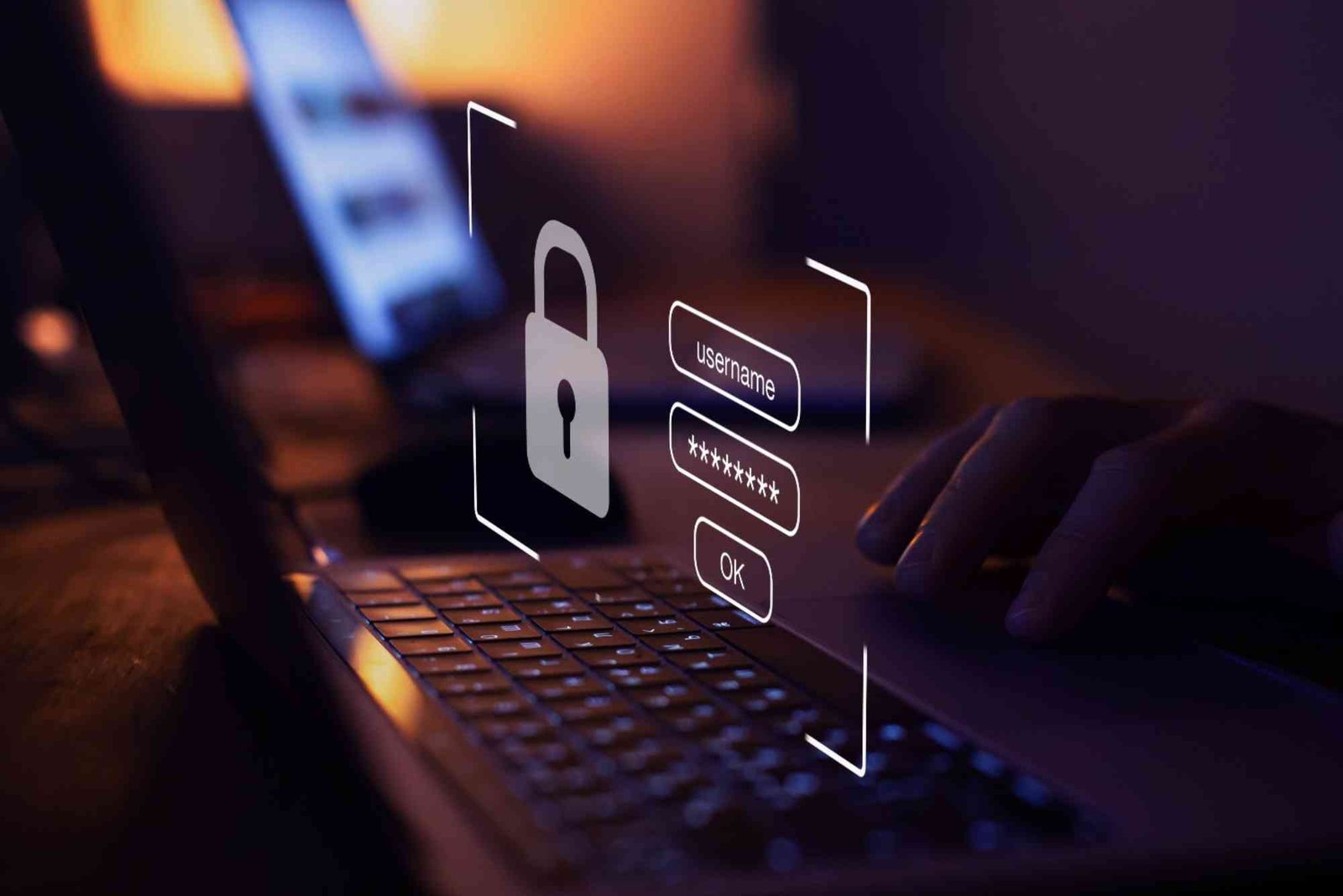
- Use SSL/TLS certificates: These secure your website and display a padlock icon in the browser, reassuring customers.
- Enable modern encryption protocols: Use TLS 1.2 or higher to avoid vulnerabilities.
Encrypting all pages that handle customer information — not just checkout pages — increases overall security.
Strong Authentication: Reduce Unauthorized Access
Passwords alone are often not enough. Additional authentication methods help prevent unauthorized account access.

Two-Factor and Multifactor Authentication
Implementing multifactor authentication requires users to verify identity through additional steps, such as:
- One-time passwords (OTP) sent via SMS or email
- Authentication apps like Google Authenticator
- Biometric verification, such as fingerprint or facial recognition
These measures significantly reduce the risk of fraud, even if passwords are compromised.
Secure Payment Methods and Gateways
Choosing reliable payment options is vital for security and customer confidence.
Trusted Payment Gateways
Reputable payment processors handle sensitive payment data securely and include built-in fraud detection.
Credit Cards and Digital Wallets
Credit cards often provide stronger fraud protection than debit cards. Digital wallets use tokenization to replace card details with unique identifiers, keeping the actual data hidden during transactions.
Backend Security Measures Every Business Should Know
Securing customer transactions also requires robust backend measures.
PCI DSS Compliance
Following the Payment Card Industry Data Security Standard (PCI DSS) ensures that payment information is stored, transmitted, and processed securely. Compliance involves restricting access, encrypting stored data, and regularly testing systems for vulnerabilities.
Keep Software Updated
Hackers exploit outdated software. Regular updates to your website platform, server software, and security tools reduce the risk of cyberattacks. Automatic updates and scheduled patching reviews help maintain strong security.
Use Firewalls and Anti-Malware Protection
Firewalls control network traffic, while anti-malware tools detect and remove harmful software. Together, they create a safe environment for handling online payments.
Best Practices for Your Customers
Even with strong systems, customers play a key role in security. Educating them reduces risk and improves trust.
Encourage Strong Passwords
Customers should use unique, complex passwords and consider using a password manager to keep them secure.
Avoid Public Wi-Fi for Payments
Public Wi-Fi networks are often unprotected, making data vulnerable. Customers should avoid making payments on public networks or use a secure VPN.
Monitor Account Activity Regularly
Encourage customers to check statements frequently. Early detection of suspicious activity can prevent major financial loss.
Advanced Strategies for Long-Term Security
Beyond foundational measures, consider these strategies to further protect online transactions:
Real-Time Fraud Monitoring
Monitor transaction patterns to flag suspicious activities, such as multiple high-value purchases in a short time frame.
Behavioral Biometrics
Analyzing user behavior, like typing speed or mouse movement, can help distinguish legitimate users from fraudsters.
Data Tokenization
Tokenization replaces sensitive data with secure tokens, making stolen information less valuable to attackers.
Building Customer Trust Through Transparency
Security is also a trust signal. Show customers that you value their safety:
- Display trust badges and secure site indicators
- Clearly explain privacy and data protection policies
- Offer transparent refund and return policies
Transparent security measures increase customer confidence and encourage repeat business.
Protect Payments, Protect Reputation
Securing online transactions for your customers is essential for business success. Implementing encryption, authentication, secure payment methods, backend safeguards, and customer education helps protect sensitive data. Strong security builds trust, reduces fraud, and strengthens your brand reputation.
FAQs
How can I make online transactions secure?
Ensure transactions use encryption, trusted payment gateways, strong passwords, two-factor authentication, and compliant backend processes.
What makes a payment secure?
A secure payment encrypts data, uses tokenization, and passes through reputable payment processors with fraud detection.
Why should businesses secure transactions?
Protecting customer data prevents financial loss, builds trust, and helps comply with regulations.
Is HTTPS alone enough?
HTTPS is essential, but combining it with authentication, monitoring, and secure payment methods provides full protection.
How can customers make transactions safer?
Customers should use strong passwords, avoid public Wi-Fi, enable two-factor authentication, and regularly check statements.