Introduction
Building healthy food habits isn’t just about choosing the right foods—it’s about creating a sustainable lifestyle that supports your physical and mental well-being. Many people struggle with inconsistent eating patterns, late-night snacking, or impulsive food choices. The good news is that with a structured, step-by-step approach, anyone can develop habits that make nutritious eating easier, more enjoyable, and long-lasting.
In this guide, we’ll explore practical strategies for building healthy food habits, from understanding your current patterns to creating mindful, lasting changes.
Understanding Your Current Eating Habits
Before you can improve, you need a clear picture of your current habits.
Track Your Meals
Keep a food diary for at least a week. Note what you eat, when you eat, and how you feel afterward. This helps identify patterns such as emotional eating or skipping meals.
Identify Triggers
Pay attention to situations that lead to unhealthy choices. Do you snack when stressed, bored, or tired? Recognizing triggers is essential for building better habits.
Assess Nutritional Gaps
Look for deficiencies in your diet, such as lack of fruits, vegetables, or whole grains. Understanding your nutritional gaps helps you make targeted improvements.

Set Realistic and Achievable Goals
Healthy habits are easier to maintain when your goals are specific and attainable.
Start Small
Don’t try to overhaul your diet overnight. Begin with one change at a time, like swapping sugary drinks for water or adding a serving of vegetables to one meal per day.
Be Specific
Set clear goals, such as “I will eat at least two servings of vegetables at lunch daily,” instead of vague intentions like “eat healthier.”
Track Your Progress
Use apps, journals, or simple checklists to track progress. Celebrating small wins keeps motivation high.
Plan and Prepare Your Meals
Planning reduces reliance on convenience foods and supports healthier choices.
Create a Weekly Meal Plan
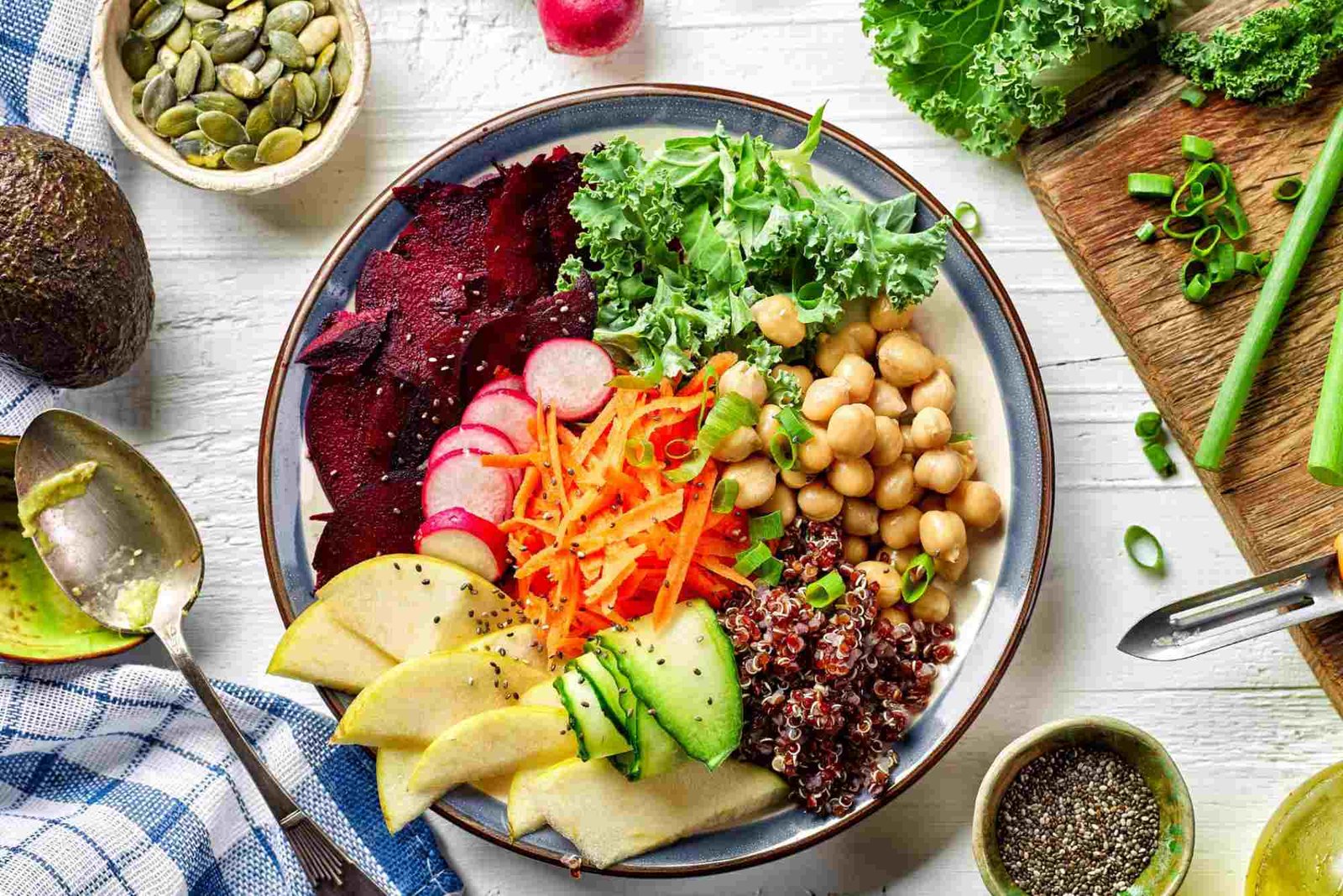
Outline meals and snacks for the week. Include a variety of protein, whole grains, and fresh produce to maintain balance and prevent boredom.
Batch Cooking and Prep
Prepare ingredients or entire meals in advance. Chopping vegetables or cooking grains ahead of time saves time and ensures healthy options are always available.
Smart Grocery Shopping
Make a list before shopping and stick to it. Focus on whole foods and avoid buying highly processed snacks that tempt unhealthy choices.
Practice Mindful Eating
Mindful eating strengthens your connection to food and prevents overeating.
Eat Without Distractions
Turn off screens and focus on your meal. Savor flavors, textures, and aromas. This helps your brain register fullness signals.
Listen to Hunger Cues
Eat when hungry, stop when satisfied. Avoid eating out of boredom or stress. Understanding your body’s signals is crucial for lasting habits.
Slow Down
Chew food thoroughly and pause between bites. Slower eating improves digestion and allows your brain to recognize fullness more effectively.
Build Healthy Snacking Habits
Snacks can either support or sabotage your goals.
Choose Nutrient-Dense Snacks
Opt for fruits, nuts, yogurt, or vegetables instead of chips or sugary treats. These options provide energy and essential nutrients.
Keep Healthy Options Accessible
Store healthy snacks at eye level in your fridge or pantry. Convenience encourages better choices.
Portion Control
Pre-portion snacks into small containers to prevent mindless overeating.
Stay Hydrated
Water is an often-overlooked part of healthy habits.
Drink Water Regularly
Aim for 8–10 glasses daily, adjusting for activity level. Water supports digestion, energy levels, and appetite control.
Reduce Sugary Drinks
Limit soda, sweetened teas, and energy drinks. Gradually replacing these with water, herbal tea, or sparkling water reduces sugar intake.
Infuse Flavor Naturally
Add lemon, cucumber, or mint to water for a refreshing taste without extra sugar.
Develop Consistency Through Routine
Habits stick when they become part of your daily rhythm.
Schedule Meals
Eat at consistent times to regulate metabolism and prevent overeating.
Pair New Habits with Existing Ones
For example, drink a glass of water after brushing your teeth or have a piece of fruit after breakfast. This strengthens habit formation.
Be Patient
Behavior change takes time. Focus on progress rather than perfection. Small, consistent actions lead to sustainable results.
Adjust Mindset and Motivation
A positive mindset is crucial for lasting change.
Focus on Benefits, Not Restrictions
Instead of thinking “I can’t eat sweets,” focus on how healthier foods energize your body and improve well-being.
Avoid All-or-Nothing Thinking
Missing a healthy meal doesn’t ruin your progress. Return to your plan without guilt.
Find Support
Share your goals with friends, family, or online communities. Encouragement and accountability improve success.
Building healthy food habits step by step is achievable for anyone willing to commit to mindful changes. By understanding your current patterns, setting realistic goals, planning meals, practicing mindful eating, and maintaining consistency, you can transform your relationship with food for good.
Start today by choosing one small habit to implement, track your progress, and celebrate your wins. Over time, these steps create a foundation for long-term health, energy, and vitality.
FAQs
How long does it take to form a healthy eating habit?
Research suggests it can take anywhere from 21 to 66 days to solidify a new habit. Consistency is key.
What are easy first steps to improve eating habits?
Start by drinking more water, adding one serving of vegetables per meal, or reducing sugary drinks.
Can healthy habits be maintained while eating out?
Yes. Choose grilled or baked options, control portion sizes, and include vegetables or salads.
How do I avoid snacking out of boredom?
Practice mindful eating, keep healthy snacks available, and address emotional triggers with alternative activities like walking or reading.
Is meal prepping necessary for healthy habits?
Not always, but it makes choosing nutritious options easier, especially on busy days.
Looking for the latest trends and tips in lifestyle, fashion, and beauty? SecondBleach offers fresh insights, product reviews, and expert advice to keep you ahead of the curve. Explore must-read articles, creative ideas, and practical guides to elevate your daily life. Check out everything we offer at our homepage: SecondBleach.