
Introduction
Family food time is more than just a meal—it’s a chance to connect, share stories, and teach healthy habits. Yet, for many parents, coordinating meals, picky eaters, and busy schedules can make family dinners stressful rather than enjoyable. The good news is that with some thoughtful strategies, you can make family food time easier, more organized, and genuinely fun for everyone. In this guide, we’ll explore practical tips and techniques to help families eat together without the stress.
Why Family Food Time Matters
Sharing meals strengthens bonds, improves communication, and encourages better eating habits. Studies show that children who eat regularly with their families are more likely to try new foods, have higher academic performance, and develop emotional resilience.
Social and Emotional Benefits
- Builds strong relationships through shared experiences.
- Provides a daily opportunity for children to develop social skills.
- Encourages mindful eating and gratitude for meals.
Nutritional Benefits
- Encourages a balanced diet with vegetables, proteins, and whole grains.
- Reduces reliance on processed and fast food.
- Helps parents model healthy eating habits.
How to Make Family Food Time Easier
Creating smoother, stress-free mealtimes doesn’t require a complete lifestyle overhaul. Here are practical steps families can take.
Plan Meals Ahead
Weekly Meal Planning
Setting aside time each week to plan meals can save hours and reduce daily stress. Consider creating a rotating menu to simplify grocery shopping and cooking.
Involve Everyone
Ask family members for input on meals. Kids can choose one night’s dinner, which increases excitement and engagement.
Simplify the Cooking Process
Use Time-Saving Techniques
- Prepare ingredients in advance.
- Use slow cookers, air fryers, or pressure cookers to reduce cooking time.
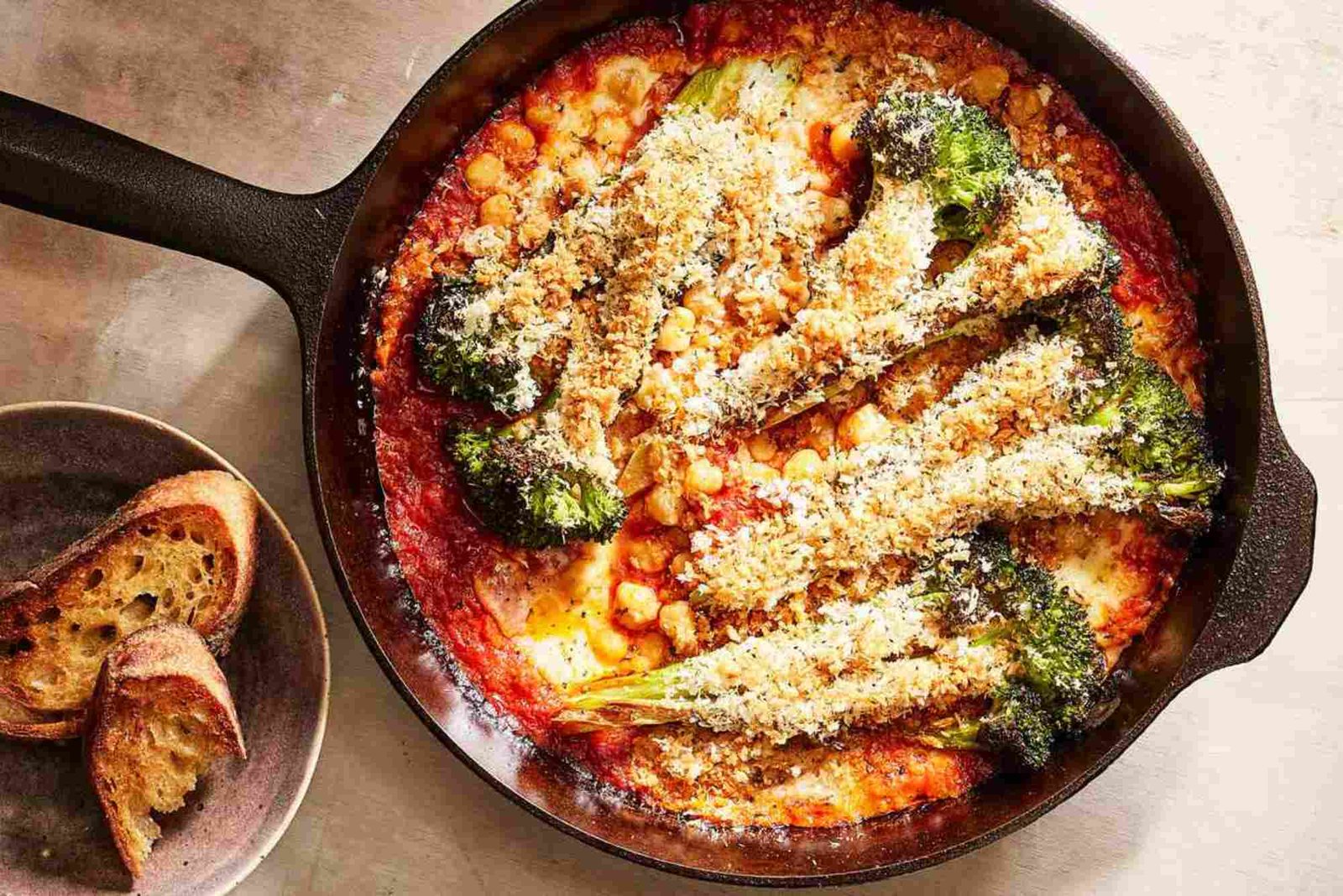
Embrace One-Pot or Sheet-Pan Meals
These recipes minimize cleanup and allow the family to spend more time eating and talking instead of washing dishes.

Make the Table Inviting
Set the Mood
Lighting, music, or even just a clean, organized table can make mealtime feel special.
Include Everyone
Even young children can help set the table or serve simple items, making them feel part of the process.
Encourage Conversation and Connection
Conversation Starters
Use prompts like “What was the best part of your day?” or “What’s one new thing you learned today?” to spark dialogue.
Avoid Screens
Phones, tablets, and TV should be set aside to focus on real interaction. This strengthens family bonds and improves communication.
Manage Picky Eaters
Introduce Foods Gradually
Offer small portions of new foods alongside familiar favorites.
Make Food Fun
Creative presentations, like colorful plates or themed meals, can make trying new foods exciting.
Lead by Example
Children often mimic adult behaviors, so model healthy eating habits without pressure or criticism.
Keep Mealtime Flexible
Adjust Schedules When Needed
Sometimes work, school, or extracurricular activities make it impossible to eat together. Focus on quality over strict timing—an early breakfast or weekend lunch together can be just as meaningful.
Adapt Portions and Recipes
Smaller, customizable servings allow family members to choose what they like without waste.
Create a Post-Meal Routine
Encourage Family Cleanup
Assign simple tasks like clearing plates or loading the dishwasher. This teaches responsibility and makes parents’ jobs easier.
Reflect on Meals
Take a few minutes to talk about what everyone enjoyed and what could be improved for next time.
Tips for Long-Term Success
Consistency is key. Families who prioritize regular mealtime routines reap benefits over time.
- Batch Cooking: Prepare meals in larger quantities for busy days.
- Theme Nights: Taco Tuesday or Pasta Friday can create excitement.
- Rotate Responsibilities: Share cooking duties to avoid burnout.
- Celebrate Small Wins: Appreciate everyone’s effort to maintain family meals.
FAQs
How can I get my family to eat together more often?
Set a regular mealtime schedule, involve kids in meal preparation, and create a positive, screen-free environment.
What are easy meal ideas for busy families?
Sheet-pan dinners, slow-cooker recipes, and one-pot meals are convenient and minimize cleanup.
How do I handle picky eaters at family meals?
Offer small portions of new foods alongside favorites, use creative presentations, and model healthy eating habits without pressure.
How can I make mealtime less stressful?
Plan meals ahead, prep ingredients in advance, and create a relaxed, organized atmosphere at the table.
Why is family mealtime important for kids?
Family meals foster social skills, emotional bonding, and healthier eating habits, contributing to overall well-being.
Making family food time easier and better is about more than just cooking—it’s about connection, consistency, and creativity. By planning meals, simplifying cooking, encouraging conversation, and involving everyone, families can turn ordinary dinners into cherished daily rituals. Start small with one or two of these tips and watch how your family’s mealtimes transform.