
Introduction
In today’s fast-moving world, your vehicle is more than just a way to get from one place to another; it is an essential part of your daily routine, your investment, and often your livelihood. Yet many drivers overlook the importance of consistent care, which leads to premature wear, costly repairs, and reduced performance over time. Understanding How to Keep Your Automobile Better Protected Every Day is not just about occasional maintenance but about building habits that safeguard your car continuously.
Whether you drive in busy city traffic, harsh weather conditions, or long highway routes, your automobile faces constant exposure to dust, heat, moisture, and mechanical stress. Over time, these factors gradually impact the exterior shine, engine health, and overall safety of the vehicle. By adopting a practical and consistent approach, you can significantly extend your car’s lifespan while maintaining its value and reliability.
This guide explains How to Keep Your Automobile Better Protected Every Day using real-world practices that are easy to follow and highly effective. Instead of complicated procedures, you will learn simple yet powerful habits that make a long-term difference in your vehicle’s condition.
Why Daily Vehicle Protection Matters
Daily vehicle protection is often underestimated, but it plays a crucial role in preserving both performance and appearance. When you understand How to Keep Your Automobile Better Protected Every Day, you begin to realize that small actions taken consistently are more valuable than occasional deep maintenance.
Every day your car is exposed to UV rays, road dust, pollution, and temperature changes. These factors slowly degrade paint quality, weaken rubber components, and affect internal systems. Without proper attention, minor issues accumulate into major repairs.
By focusing on daily protection, you reduce long-term costs and ensure that your automobile remains reliable and safe. It also helps maintain resale value, which is especially important if you plan to upgrade your vehicle in the future.

Understanding Environmental Damage Risks
One of the most important aspects of How to Keep Your Automobile Better Protected Every Day is recognizing environmental risks. Sunlight can fade paint and damage dashboards, while moisture can lead to rust and corrosion. Dust particles can scratch surfaces over time, especially when combined with improper cleaning techniques.
Urban environments add another layer of risk with pollution and industrial residue settling on the vehicle’s surface. Even parking conditions matter, as exposure to open skies increases the rate of deterioration compared to shaded or covered parking.
Understanding these risks helps you take proactive steps instead of reacting after damage has already occurred.
How to Keep Your Automobile Better Protected Every Day with Exterior Care
The exterior of your vehicle is the first line of defense against environmental damage, making it a central focus of How to Keep Your Automobile Better Protected Every Day. Proper exterior care ensures that your car maintains both its appearance and protective coating.
Paint Protection Habits
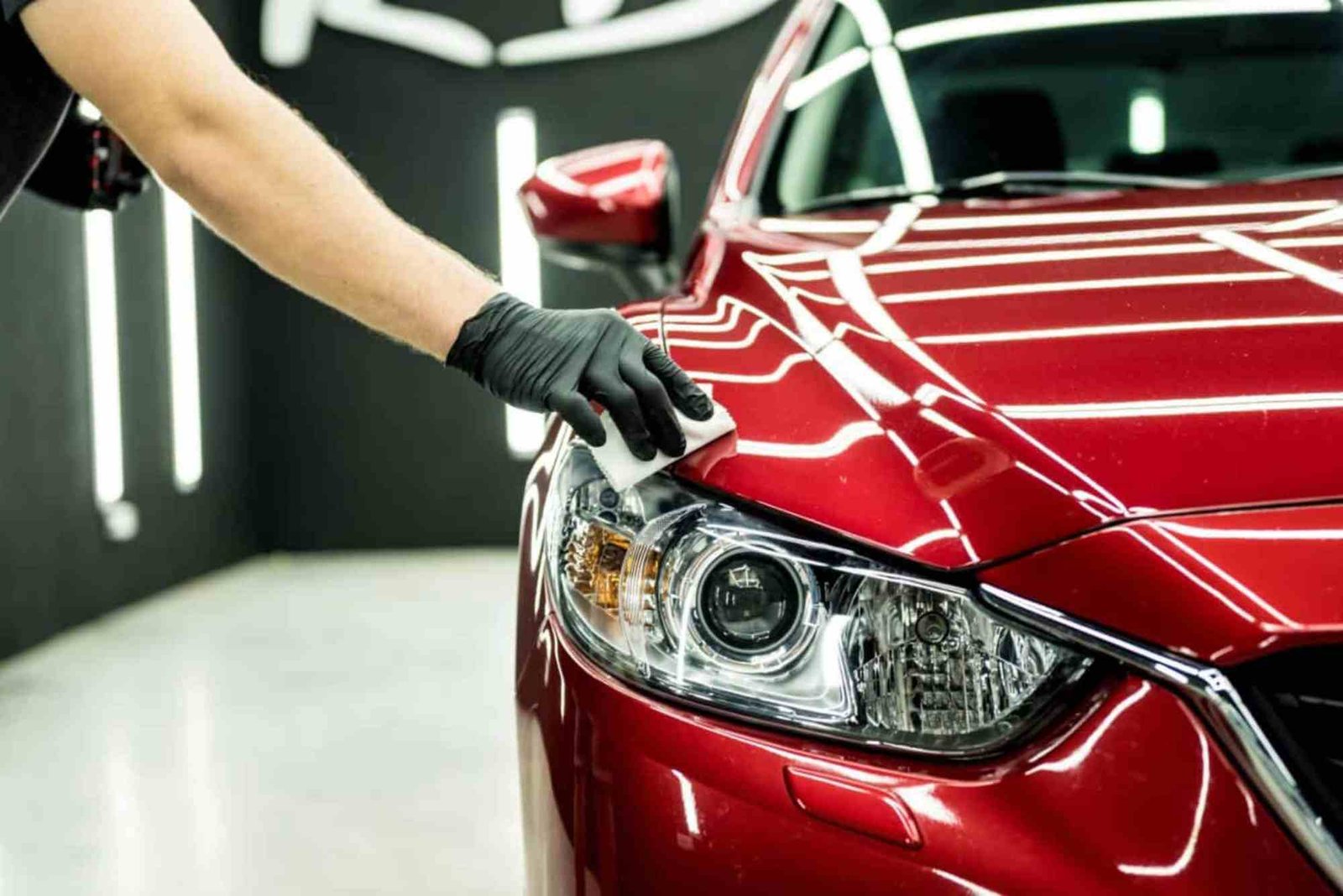
Protecting your car’s paint is essential for long-term durability. Regular washing using appropriate cleaning materials helps prevent dust and grime from settling into the surface. Waxing or applying protective coatings can also create a barrier against UV rays and moisture.
Avoiding harsh cleaning materials or dry wiping is equally important, as these can cause micro-scratches that gradually dull the paint finish. Consistency in care is more effective than occasional intensive cleaning.
Washing and Surface Maintenance
A structured cleaning routine contributes significantly to How to Keep Your Automobile Better Protected Every Day. Washing your car at appropriate intervals removes harmful contaminants before they can cause damage. Clean water and gentle techniques help preserve the paint and prevent corrosion.
Drying the vehicle properly after washing also plays a role in preventing water spots and mineral buildup, which can affect long-term surface quality.
Interior Protection and Maintenance
Interior care is just as important when considering How to Keep Your Automobile Better Protected Every Day. The cabin environment is constantly exposed to dust, sunlight, and everyday usage, which can gradually degrade materials.
Sunlight can cause fading and cracking of dashboards and seats, while dust accumulation affects air quality inside the vehicle. Regular interior cleaning, along with the use of sun protection accessories, helps maintain comfort and hygiene.
Keeping food and moisture under control inside the vehicle also prevents odors and material damage, ensuring a clean and pleasant driving experience over time.
Security and Theft Prevention Practices
Vehicle protection is not only about physical maintenance but also security. A complete understanding of How to Keep Your Automobile Better Protected Every Day includes safeguarding it from theft and unauthorized access.
Parking in well-lit areas, using anti-theft systems, and keeping doors properly locked are simple yet effective practices. Modern vehicles also benefit from alarm systems and tracking devices that provide an extra layer of security.
Being mindful of where and how you park your vehicle significantly reduces risks and enhances peace of mind.
Mechanical Health and Regular Checkups
Mechanical condition is a critical part of How to Keep Your Automobile Better Protected Every Day. Even if the exterior looks perfect, internal issues can develop silently if not monitored.
Regular inspection of engine components, brakes, fluids, and tire condition ensures that your vehicle remains safe and efficient. Early detection of problems prevents expensive breakdowns and extends the overall lifespan of the automobile.
Maintaining proper fluid levels and ensuring timely servicing also contributes to smoother performance and fuel efficiency.
Driving Habits That Protect Your Car
Your driving style directly impacts the condition of your vehicle. A responsible approach is essential for How to Keep Your Automobile Better Protected Every Day.
Smooth acceleration and braking reduce strain on engine and brake systems. Avoiding sudden movements and overloading the vehicle helps maintain structural integrity. Consistent driving behavior not only protects mechanical parts but also enhances fuel economy and safety.
Careful driving in rough or uneven road conditions further minimizes damage to suspension and tires.
Seasonal Care and Long-Term Protection Strategy
Different seasons bring different challenges, making seasonal care an important part of How to Keep Your Automobile Better Protected Every Day. Hot weather increases the risk of overheating and paint damage, while cold conditions can affect battery performance and fluid viscosity.
Preparing your vehicle according to seasonal changes ensures consistent performance throughout the year. This includes checking cooling systems in summer and ensuring battery strength during winter.
Long-term protection also involves planning regular maintenance schedules instead of waiting for issues to appear.
Professional Detailing vs DIY Care
Understanding the balance between professional detailing and personal maintenance is another key aspect of How to Keep Your Automobile Better Protected Every Day. While DIY care is effective for routine cleaning, professional services offer deeper restoration and protection.
Professional detailing can address hidden contaminants and restore surface quality that regular cleaning may not achieve. However, combining both approaches ensures optimal results without unnecessary expense.
Choosing the right balance depends on your vehicle’s usage and condition.
Common Mistakes That Reduce Vehicle Lifespan
Many vehicle owners unintentionally reduce their car’s lifespan by ignoring basic care principles. Overlooking minor scratches, delaying maintenance, and using incorrect cleaning methods are common issues.
Another frequent mistake is inconsistent care, where attention is only given when visible problems appear. This reactive approach is less effective compared to consistent habits that align with How to Keep Your Automobile Better Protected Every Day.
Avoiding these mistakes ensures better performance, safety, and long-term value.
Maintaining your vehicle is not a one-time effort but a continuous responsibility. By following the principles of How to Keep Your Automobile Better Protected Every Day, you can significantly improve your car’s durability, appearance, and overall performance.
Best Automobile Features for Practical and Family Friendly Use: Modern family cars focus on safety, comfort, and efficiency. Key features include advanced airbags, ABS braking, spacious interiors, child-lock systems, infotainment screens, fuel efficiency, rear parking sensors, and climate control to ensure a smooth, safe, and convenient driving experience for all passengers ensuring family safety.
FAQs
What is the best way to protect my car every day?
The best approach involves regular cleaning, safe parking, careful driving habits, and timely maintenance checks that prevent damage before it occurs.
How often should I wash my vehicle for proper protection?
Washing frequency depends on driving conditions, but keeping your car clean on a regular basis helps prevent dirt buildup and surface damage.
Does parking location really affect car protection?
Yes, parking in shaded or covered areas reduces exposure to sunlight, rain, and dust, which helps preserve both interior and exterior quality.
How can I protect my car from sun damage?
Using sunshades, parking in shade, and applying protective coatings on the exterior and interior surfaces helps reduce UV-related damage.
Is professional detailing necessary for car protection?
Professional detailing is not mandatory but highly beneficial for deep cleaning and restoring protective layers that regular washing cannot achieve.