Introduction
Planning meals doesn’t have to be stressful or time-consuming. With the right approach, you can save time, reduce food waste, and enjoy healthier, well-balanced meals. Whether you’re cooking for your family, managing a busy schedule, or trying to eat more nutritiously, applying effective food tips can transform the way you shop, prepare, and enjoy food. This article shares practical strategies to help you plan better meals, optimize nutrition, and simplify your daily routine.
Why Meal Planning Matters
Meal planning goes beyond convenience—it impacts health, finances, and lifestyle. A thoughtful meal plan ensures you get the right nutrients, avoid unhealthy last-minute food choices, and reduce stress around mealtime. By taking small steps to plan ahead, you can save money, minimize food waste, and make healthier eating an effortless habit.
Start with Smart Grocery Shopping
Make a Weekly Grocery List
Creating a weekly grocery list is one of the most effective ways to streamline meal planning. Start by checking your pantry for items you already have, then list what you need for the week’s meals. Stick to your list to avoid impulse purchases and unnecessary trips to the store.
Shop Seasonal and Fresh Produce
Seasonal fruits and vegetables are often more nutritious and affordable. They also bring variety to your meals. Incorporating fresh produce enhances flavor, supports local farmers, and helps you maintain a balanced diet.
Choose Whole Foods Over Processed Options
Whole foods—like grains, lean proteins, fruits, and vegetables—provide better nutrition than highly processed items. Prioritize natural ingredients when shopping to make your meals healthier and more satisfying.
Organize Your Meals for the Week
Plan Balanced Breakfasts, Lunches, and Dinners
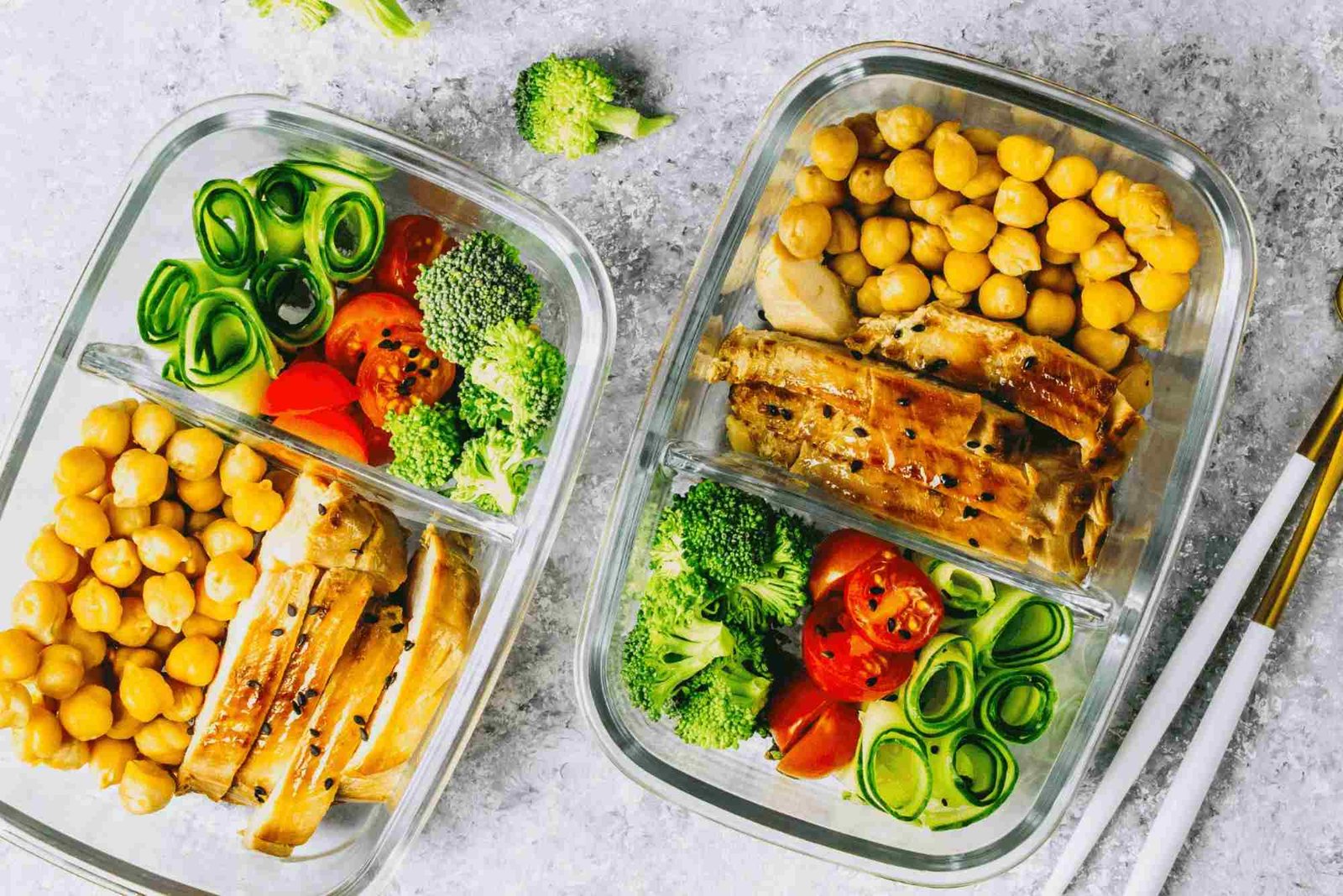
A balanced meal should include a mix of proteins, healthy fats, and complex carbohydrates. Planning each meal in advance ensures you meet nutritional needs and avoids skipping meals or relying on unhealthy snacks.
Prep Ingredients in Advance
Meal prep saves time during busy weekdays. Chop vegetables, marinate proteins, or cook grains ahead of time. Prepping ingredients makes assembling meals faster and reduces stress.
Use Leftovers Wisely
Leftovers aren’t just convenient—they reduce food waste. Transform last night’s dinner into a new meal by adding fresh vegetables, grains, or sauces. This strategy saves money and keeps your menu exciting.
Incorporate Healthy Eating Habits
Portion Control is Key
Even healthy meals can lead to overeating if portions are too large. Use smaller plates, measure servings, and listen to your body’s hunger cues to maintain balanced portions.
Hydrate and Plan Snacks
Healthy snacks prevent energy dips and unhealthy cravings. Keep nuts, yogurt, or fruit handy. Drinking enough water throughout the day supports digestion and overall health.
Limit Added Sugars and Processed Foods
Excess sugar and processed foods can undermine your meal planning efforts. Focus on natural flavors, herbs, and spices to enhance meals without relying on high-calorie additives.
Leverage Tools and Apps
Use Meal Planning Apps
Apps can simplify shopping, recipe organization, and meal scheduling. Many apps allow you to create grocery lists, track nutrition, and plan weekly meals efficiently.
Keep a Digital or Physical Meal Journal
Tracking what you eat helps identify patterns, adjust portion sizes, and stay consistent with healthy choices. A meal journal encourages accountability and long-term success.
Be Flexible and Enjoy Variety
Rotate Ingredients and Recipes
Using the same meals repeatedly can become monotonous. Rotate proteins, grains, and vegetables to keep meals interesting and ensure a diverse nutrient intake.
Experiment with New Cuisines
Trying new cuisines adds excitement to your meal plan and introduces different flavors, textures, and nutrients. This can make healthy eating more enjoyable and sustainable.
Meal planning doesn’t have to be complicated. By shopping smart, prepping ahead, balancing meals, and staying flexible, you can enjoy nutritious food, save time, and reduce stress around mealtime. Start small—plan one or two meals a week and gradually expand your routine. With consistency, you’ll find meal planning becomes a natural and rewarding part of your lifestyle.
FAQs
How far in advance should I plan meals?
It’s ideal to plan meals at least a week in advance. This allows time for grocery shopping, prep, and creating balanced meals without stress.
Can meal planning help me save money?
Yes. Planning meals prevents last-minute takeout, reduces food waste, and helps you buy only what you need, saving money over time.
What are easy meal prep ideas for beginners?
Start with simple meals like grilled chicken with roasted vegetables, overnight oats for breakfast, and salads with pre-cooked grains. Prepping ingredients like chopped veggies and cooked grains saves time.
How can I keep my meal plan exciting?
Rotate proteins, vegetables, and grains, try new recipes, and explore different cuisines to avoid repetition and maintain variety in your meals.
Are meal planning apps worth it?
Absolutely. Apps can simplify grocery lists, track nutrition, and help organize recipes, making meal planning more efficient and stress-free.
Best Food Recipes for Warm and Cozy Nights – When chilly evenings arrive, nothing beats comforting meals that warm the soul. From creamy soups and hearty stews to baked pastas and spiced desserts, these recipes are perfect for cozy nights at home. Simple ingredients, rich flavors, and easy preparation make every bite soothing and satisfying.